
Theory Guide
ITF Taekwon-Do
Powered by Kamppailukorporaatio
English translation of the Finnish original. The Finnish page is the master version; if the two differ, the Finnish text applies.
Black belt theory guide: itf.fi/tkddantheory
At a glance
- What: The colour belt Taekwon-Do theory guide (ITF Taekwon-Do), as a web page (the printable PDF is available on the Finnish page).
- Who for: Colour belt students of Beom, Sasaja and Stadin TKD, their parents and instructors.
- Contents: history, patterns from Chon-Ji to Choong-Moo, belt grades, uniform, tenets, oath, dojang etiquette, stances and glossary, plus the Saju exercises.
- Belt grades: colour belts, that is 10th to 1st gup. Black belt theory has its own guide: itf.fi/tkddantheory.
- How to use: read it online; the Finnish page itf.fi/tkd_teoria has the printable PDF.
1. History↑ Back to contents
1.1 The development of the martial arts in Korea↑ Back to contents
Martial skills have been practised on the Korean peninsula for centuries. According to the traditional account, the roots of taekwondo reach back some 2,000 years: tomb paintings of the Koguryo kingdom depict fighters, and the bare-handed subak (Soo Bak) is mentioned in sources as early as the Three Kingdoms period. One of these kingdoms, Silla, founded the Hwarang corps around the middle of the 6th century, in which young aristocrats trained as soldiers and also practised martial skills. The Buddhist monk Won Gwang drew up five secular commandments for them: loyalty to the ruler, respect for one’s parents, trust among friends, no retreat in battle, and discretion when taking life. The spirit of the Hwarang still lives on in Taekwon-Do, and one of the ITF patterns is named after Hwa-Rang.
During the Goryeo dynasty (918–1392) subak matches were organised, and in the Joseon period a martial art called taekkyon (taekkyeon), with an emphasis on kicking techniques, was practised; its earliest known written mention dates from the late 18th century. By the early 20th century taekkyon had survived mainly in the Jongno district of Seoul, and UNESCO inscribed it on its list of intangible cultural heritage in 2011.
Modern research takes a more cautious view of the ancient roots than the traditional account. The tomb paintings cannot tell us which techniques the depicted fighters actually used, the connection between subak and taekkyon is disputed, and no unbroken, documented line can be shown from the ancient arts to present-day taekwondo. The techniques of taekkyon and taekwondo also differ greatly from one another. The prevailing view among researchers is that modern taekwondo emerged only in the 1940s and 1950s and that it was founded on Japanese karate. The traditional account has also been explained by the fact that a liberated Korea was building its national identity in the second half of the 20th century and wanted an old, Korean background for its martial art. This does not diminish the value of the art: the ideals of the Hwarang, the heritage of taekkyon and Korean culture are still part of the tradition on which Taekwon-Do has been built.
1.2 The history of Taekwon-Do↑ Back to contents
Korea was liberated from Japanese colonial rule in 1945. Soon afterwards several martial arts schools, or kwans (Korean kwan, ”hall” or ”school”), were opened in Seoul. Many of their founders had studied karate or judo in Japan: for example, Lee Won Kuk, the founder of Chung Do Kwan, and Ro Byung Jick, the founder of Song Moo Kwan, had studied karate under Gichin Funakoshi, the founder of the Shotokan style. The teaching of the early kwans was largely karate, and the patterns (hyung) and free sparring were also borrowed from it. The kwans called their art by different names, such as Tang Soo Do, Kong Soo Do and Kwon Bup.
One of the kwans was Oh Do Kwan, whose founders included the Korean army officer Choi Hong Hi (1918–2002). Choi had studied karate, among other things, in Japan, and he spread the art among soldiers. According to one account, President Syngman Rhee saw a demonstration by army officers in 1952 and took it for taekkyon; Rhee’s popularity helped the art grow in the army. According to Choi, the name Taekwon-Do was chosen on 11 April 1955: Tae means foot, Kwon means fist or hand, and Do means the way or a philosophy of life. The name resembles taekkyon, and this influenced the choice of name. The other kwans did not accept the name immediately, because only two kwans took part in the naming committee. In 1959 the Korea Taekwondo Association was founded under Choi’s leadership, but the rivalry between the kwans and the dispute over the name continued, and a common umbrella organisation became established only during the 1960s.
Choi and other Taekwon-Do pioneers developed the Chang Hon style, whose patterns (tul) are at the core of ITF Taekwon-Do. Choi resigned from the presidency of the Korea Taekwondo Association, and the International Taekwon-Do Federation (ITF) was founded in Seoul on 22 March 1966; representatives of nine countries attended the founding meeting. South Korea’s support for the ITF ended in 1972, and in the same year Choi moved into exile in Canada; the ITF’s activities continued from there. At the same time a second line was being built in South Korea: the Kukkiwon was opened in Seoul on 30 November 1972, and the World Taekwondo Federation (WTF, now World Taekwondo, WT) was founded in 1973. The taekwondo represented by WT was a demonstration sport at the 1988 Seoul Olympics and an official medal sport at the 2000 Olympics. Today ”taekwondo” is thus two closely related but differently developed traditions, ITF Taekwon-Do and WT taekwondo, each with its own patterns, rules and competitions.
Choi Hong Hi died on 15 June 2002. The ITF split into three organisations in 2001–2002, and today ITF Taekwon-Do is practised under several different federations, of which the three largest still use the name ITF. The content of training, such as the basics in this guide, is nevertheless largely common.
1.3 Taekwon-Do in Finland and the background of this guide↑ Back to contents
Taekwondo came to Finland in the late 1970s: according to the Finnish-language Wikipedia, the Korean master Hwang Dae Jin brought the art to Finland in 1979, the Finnish Taekwondo Federation (Suomen Taekwondoliitto) was founded in 1980 and the federation of the ITF branch in 1987.
The author of this guide has trained and been active in both ITF Taekwon-Do and WT taekwondo. The clubs in which the author has been active or has trained are listed below.
ITF clubs in which the author has been active
- EKSTKD, Tammisaari 2009–2010
- ITF Masala 2010–2015 (the author is a founding member of the club)
- Beom Taekwon-Do 2013–
- Sasaja Taekwon-Do 2019–
- Stadin TKD 2026–
WT clubs in which the author has trained
- Varkauden Taekwondo
- Kuopion Taekwondo
- Vihdin Taekwondo
- Helsingin Itsepuolustuskoulu
Special thanks
The author of the guide would like to thank in particular Harri Immonen (Varkauden Taekwondo) and Jarkko Mäkinen (Budokwai-Taekwondo).
2. Patterns↑ Back to contents
In ancient times a rule like the Code of Hammurabi prevailed: ”An eye for an eye, a tooth for a tooth”. It was followed very strictly, even if death had been caused by accident.
In such an environment, where there was as yet no sparring system like today’s, it was impossible to practise and test one’s skills against a real moving opponent.
Patterns have changed many times up to the present day. ITF’s 24 patterns (tul) took shape from the late 1950s to the 1980s under the leadership of General Choi Hong Hi and with the help of his closest colleagues, and Choi published them and established them for ITF use. Each pattern commemorates some significant person or group in Korean history. Patterns consist of various fundamental movements, most of which represent attacking or defensive techniques, arranged in a logical order.
Confirmed sources: the first five patterns (Hwa-Rang, Choong-Moo, Ul-Ji, U-Nam and Sam-Il) are in Choi’s 1959 book, his 1965 English-language book contains 20 patterns and his 1972 book 24, and Juche replaced Ko-Dang in the 1980s (the oldest known document is a seminar in June 1984). Choi himself explained the meanings of the names and numbers of movements in the Encyclopedia.
Less certain, and partly speculation: various sources name Nam Tae Hi, Han Cha Kyo, Kim Bok Man and Woo Jae Lim among Choi’s colleagues, but no individual pattern can be attributed to a particular creator with certainty. It is possible that the patterns were also modified over the years by instructors and technical committees, and that they show influences from karate and taekkyon, to which Choi himself refers. Claims about individual links are, however, mostly the interpretations of enthusiasts and have not been confirmed.
Patterns make it possible to practise techniques that cannot be practised in fundamental training or sparring. A pattern is a combination of fighting, a test of strength, a display of skill and the beauty characteristic of the art.
There are 24 (26) patterns in Taekwon-Do. The reasons for this include the fact that a human life, that is 100 years, can be thought of as the length of one day when compared with eternity. For this reason we mortals are simple travellers who pass through these years of eternity in a single day. It is obvious that no one can live beyond his allotted span. Yet most people shackle themselves to materialism, as if they could live for thousands of years, while some people strive to bequeath a good spiritual legacy to future generations, thereby achieving immortality. Evidently spirit and thought are lasting, whereas matter is not. So what we can leave behind for the benefit of humankind may be the most important thing in our lives. The 24 patterns represent 24 hours, 1 day or a whole lifetime.
Patterns have also been removed and replaced. Choi Hong Hi’s first taekwondo book (1959) included the pattern Woo-Nam (also U-Nam), which was named after the pen name of President Syngman Rhee. Rhee had approved taekwondo as the Korean martial art. The pattern was left out of the book’s next edition, and it was removed from the syllabus when Rhee was forced to resign because of the protests that followed the elections of April 1960. Woo-Nam was long considered lost, until enthusiasts found its description in the 1959 book in July 2013. Likewise, the pattern Ko-Dang was replaced in the ITF by the pattern Juche in the 1980s, but some of the federations that have split from the ITF, such as the GTF, still teach Ko-Dang.
2.1 Pattern sheets↑ Back to contents
The moves of each pattern on one page. Choose a pattern from the list or open its section below. (Printable PDF sheets are available on the Finnish page.)
Pattern sheets with more detailed execution instructions: ITF Patterns on Mobile – all 24 patterns (PDF). Source: Grandmaster McPhail and https://tkdcoaching.com/.
- Chon-Ji 19 moves
- Dan-Gun 21 moves
- Do-San 24 moves
- Won-Hyo 28 moves
- Yul-Gok 38 moves
- Joon-Gun 32 moves
- Toi-Gye 37 moves
- Hwa-Rang 29 moves
- Choong-Moo 30 moves
Chon-Ji 19 moves
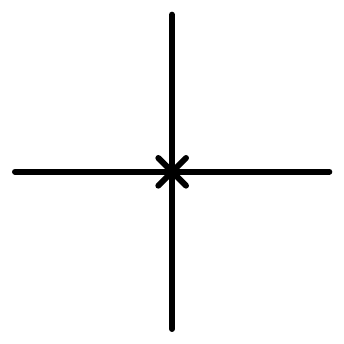
Chon-Ji literally means “Heaven and Earth”. In the East it is interpreted as the creation of the world or the beginning of the history of mankind. It is therefore the first pattern that trainees perform. The pattern consists of two simple parts, the first of which represents Heaven and the second Earth.
Show moves (21)
| No. | Move |
|---|---|
| Narani Junbi Sogi | |
| 1 | Gunnun So Palmok Najunde Makgi |
| 2 | Gunnun So Ap Joomuk Kaunde Baro Jirugi |
| 3 | Gunnun So Palmok Najunde Makgi |
| 4 | Gunnun So Ap Joomuk Kaunde Baro Jirugi |
| 5 | Gunnun So Palmok Najunde Makgi |
| 6 | Gunnun So Ap Joomuk Kaunde Baro Jirugi |
| 7 | Gunnun So Palmok Najunde Makgi |
| 8 | Gunnun So Ap Joomuk Kaunde Baro Jirugi |
| 9 | Niunja So An Palmok Kaunde Makgi |
| 10 | Gunnun So Ap Joomuk Kaunde Baro Jirugi |
| 11 | Niunja So An Palmok Kaunde Makgi |
| 12 | Gunnun So Ap Joomuk Kaunde Baro Jirugi |
| 13 | Niunja So An Palmok Kaunde Makgi |
| 14 | Gunnun So Ap Joomuk Kaunde Baro Jirugi |
| 15 | Niunja So An Palmok Kaunde Makgi |
| 16 | Gunnun So Ap Joomuk Kaunde Baro Jirugi |
| 17 | Gunnun So Ap Joomuk Kaunde Baro Jirugi |
| 18 | Gunnun So Ap Joomuk Kaunde Baro Jirugi |
| 19 | Gunnun So Ap Joomuk Kaunde Baro Jirugi |
| Narani Junbi Sogi |
Dan-Gun 21 moves
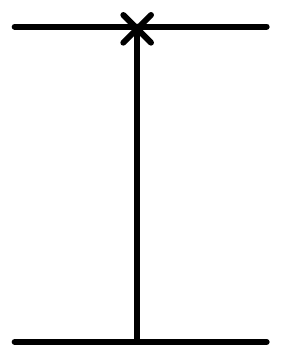
Named after the holy Dan-Gun, who founded Korea in 2333 BC. The name means the sandalwood king.
Show moves (23)
| No. | Move |
|---|---|
| Narani Junbi Sogi | |
| 1 | Niunja So Sonkal Kaunde Daebi Makgi |
| 2 | Gunnun So Ap Joomuk Nopunde Baro Jirugi |
| 3 | Niunja So Sonkal Kaunde Daebi Makgi |
| 4 | Gunnun So Ap Joomuk Nopunde Baro Jirugi |
| 5 | Gunnun So Palmok Najunde Makgi |
| 6 | Gunnun So Ap Joomuk Nopunde Baro Jirugi |
| 7 | Gunnun So Ap Joomuk Nopunde Baro Jirugi |
| 8 | Gunnun So Ap Joomuk Nopunde Baro Jirugi |
| 9 | Niunja So Sang Palmok Makgi |
| 10 | Gunnun So Ap Joomuk Nopunde Baro Jirugi |
| 11 | Niunja So Sang Palmok Makgi |
| 12 | Gunnun So Ap Joomuk Nopunde Baro Jirugi |
| 13 | Gunnun So Palmok Najunde Makgi |
| 14 | Gunnun So Palmok Chukyo Makgi |
| 15 | Gunnun So Palmok Chukyo Makgi |
| 16 | Gunnun So Palmok Chukyo Makgi |
| 17 | Gunnun So Palmok Chukyo Makgi |
| 18 | Niunja So Sonkal Kaunde Yop Taerigi |
| 19 | Gunnun So Ap Joomuk Nopunde Baro Jirugi |
| 20 | Niunja So Sonkal Kaunde Yop Taerigi |
| 21 | Gunnun So Ap Joomuk Nopunde Baro Jirugi |
| Narani Junbi Sogi |
Do-San 24 moves
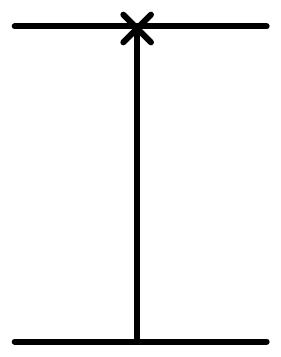
The pseudonym of the patriot Ahn Chang-Ho (1876-1938). The 24 movements represent his whole life, which he spent promoting education and independence movements in Korea.
Show moves (26)
| No. | Move |
|---|---|
| Narani Junbi Sogi | |
| 1 | Gunnun So Bakat Palmok Nopunde Makgi |
| 2 | Gunnun So Ap Joomuk Kaunde Bandae Jirugi |
| 3 | Gunnun So Bakat Palmok Nopunde Makgi |
| 4 | Gunnun So Ap Joomuk Kaunde Bandae Jirugi |
| 5 | Niunja So Sonkal Kaunde Daebi Makgi |
| 6 | Gunnun So Sun Sonkut Kaunde Tulgi |
| 7 | Gunnun So Dung Joomuk Nopunde Yop Taerigi |
| 8 | Gunnun So Dung Joomuk Nopunde Yop Taerigi |
| 9 | Gunnun So Bakat Palmok Nopunde Makgi |
| 10 | Gunnun So Ap Joomuk Kaunde Bandae Jirugi |
| 11 | Gunnun So Bakat Palmok Nopunde Makgi |
| 12 | Gunnun So Ap Joomuk Kaunde Bandae Jirugi |
| 13 | Gunnun So Bakat Palmok Nopunde Hechyo Makgi |
| 14 | Kaunde Apcha Busigi |
| 15 | Gunnun So Ap Joomuk Kaunde Baro Jirugi |
| 16 | Gunnun So Ap Joomuk Kaunde Bandae Jirugi |
| 17 | Gunnun So Bakat Palmok Nopunde Hechyo Makgi |
| 18 | Kaunde Apcha Busigi |
| 19 | Gunnun So Ap Joomuk Kaunde Baro Jirugi |
| 20 | Gunnun So Ap Joomuk Kaunde Bandae Jirugi |
| 21 | Gunnun So Palmok Chukyo Makgi |
| 22 | Gunnun So Palmok Chukyo Makgi |
| 23 | Annun So Sonkal Kaunde Yop Taerigi |
| 24 | Annun So Sonkal Kaunde Yop Taerigi |
| Narani Junbi Sogi |
Won-Hyo 28 moves
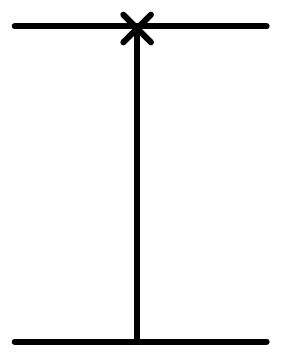
Was a renowned monk who introduced Buddhism to the Silla Dynasty in AD 686.
Show moves (30)
| No. | Move |
|---|---|
| Moa Junbi Sogi A | |
| 1 | Niunja So Sang Palmok Makgi |
| 2 | Niunja So Sonkal Nopunde Anuro Taerigi |
| 3 | Gojung So Ap Joomuk Kaunde Baro Jirugi |
| 4 | Niunja So Sang Palmok Makgi |
| 5 | Niunja So Sonkal Nopunde Anuro Taerigi |
| 6 | Gojung So Ap Joomuk Kaunde Baro Jirugi |
| 7 | Guburyo Junbi Sogi A |
| 8 | Kaunde Yopcha Jirugi |
| 9 | Niunja So Sonkal Kaunde Daebi Makgi |
| 10 | Niunja So Sonkal Kaunde Daebi Makgi |
| 11 | Niunja So Sonkal Kaunde Daebi Makgi |
| 12 | Gunnun So Sun Sonkut Kaunde Tulgi |
| 13 | Niunja So Sang Palmok Makgi |
| 14 | Niunja So Sonkal Nopunde Anuro Taerigi |
| 15 | Gojung So Ap Joomuk Kaunde Baro Jirugi |
| 16 | Niunja So Sang Palmok Makgi |
| 17 | Niunja So Sonkal Nopunde Anuro Taerigi |
| 18 | Gojung So Ap Joomuk Kaunde Baro Jirugi |
| 19 | Gunnun So An Palmok Kaunde Dollimyo Makgi |
| 20 | Najunde Apcha Busigi |
| 21 | Gunnun So Ap Joomuk Kaunde Bandae Jirugi |
| 22 | Gunnun So An Palmok Kaunde Dollimyo Makgi |
| 23 | Najunde Apcha Busigi |
| 24 | Gunnun So Ap Joomuk Kaunde Bandae Jirugi |
| 25 | Guburyo Junbi Sogi A |
| 26 | Kaunde Yopcha Jirugi |
| 27 | Niunja So Palmok Kaunde Daebi Makgi |
| 28 | Niunja So Palmok Kaunde Daebi Makgi |
| Moa Junbi Sogi A |
Yul-Gok 38 moves
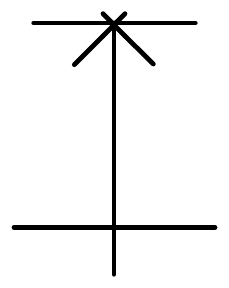
The pseudonym of the great philosopher and scholar Yi I (1536-1584). His nickname was the “Confucius of Korea”. The 38 movements of the pattern refer to his birthplace, which lay on the 38th parallel (now the border between the two Koreas, a military zone). The diagram means “scholar, educated person”.
Show moves (40)
| No. | Move |
|---|---|
| Narani Junbi Sogi | |
| 1 | Annun So Ap Joomuk Kaunde Jirugi |
| 2 | Annun So Ap Joomuk Kaunde Bandae Jirugi |
| 3 | Annun So Ap Joomuk Kaunde Baro Jirugi |
| 4 | Annun So Ap Joomuk Kaunde Jirugi |
| 5 | Annun So Ap Joomuk Kaunde Bandae Jirugi |
| 6 | Annun So Ap Joomuk Kaunde Baro Jirugi |
| 7 | Gunnun So An Palmok Kaunde Makgi |
| 8 | Najunde Apcha Busigi |
| 9 | Gunnun So Ap Joomuk Kaunde Baro Jirugi |
| 10 | Gunnun So Ap Joomuk Kaunde Bandae Jirugi |
| 11 | Gunnun So An Palmok Kaunde Makgi |
| 12 | Najunde Apcha Busigi |
| 13 | Gunnun So Ap Joomuk Kaunde Baro Jirugi |
| 14 | Gunnun So Ap Joomuk Kaunde Bandae Jirugi |
| 15 | Gunnun So Sonbadak Kaunde Golcho Makgi |
| 16 | Gunnun So Sonbadak Kaunde Bandae Golcho Makgi |
| 17 | Gunnun So Ap Joomuk Kaunde Baro Jirugi |
| 18 | Gunnun So Sonbadak Kaunde Golcho Makgi |
| 19 | Gunnun So Sonbadak Kaunde Bandae Golcho Makgi |
| 20 | Gunnun So Ap Joomuk Kaunde Baro Jirugi |
| 21 | Gunnun So Ap Joomuk Kaunde Baro Jirugi |
| 22 | Guburyo Junbi Sogi A |
| 23 | Kaunde Yopcha Jirugi |
| 24 | Gunnun So Ap Palkup Kaunde Taerigi |
| 25 | Guburyo Junbi Sogi A |
| 26 | Kaunde Yopcha Jirugi |
| 27 | Gunnun So Ap Palkup Kaunde Taerigi |
| 28 | Niunja So Sang Sonkal Makgi |
| 29 | Gunnun So Sun Sonkut Kaunde Tulgi |
| 30 | Niunja So Sang Sonkal Makgi |
| 31 | Gunnun So Sun Sonkut Kaunde Tulgi |
| 32 | Gunnun So Bakat Palmok Nopunde Makgi |
| 33 | Gunnun So Ap Joomuk Kaunde Bandae Jirugi |
| 34 | Gunnun So Bakat Palmok Nopunde Makgi |
| 35 | Gunnun So Ap Joomuk Kaunde Bandae Jirugi |
| 36 | Twimyo Kyocha So Dung Joomuk Nopunde Yop Taerigi |
| 37 | Gunnun So Doo Palmok Nopunde Makgi |
| 38 | Gunnun So Doo Palmok Nopunde Makgi |
| Narani Junbi Sogi |
Joon-Gun 32 moves
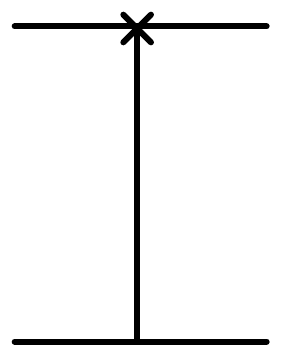
Named after the patriot Ahn Joong-Gun, who assassinated Hiro-Bumi Ito, the first Japanese Governor-General of Korea. Ito played a significant part in the merging of Japan and Korea. The 32 movements represent Mr Ahn’s age when he was executed in Lui-Shung prison in 1910.
Show moves (34)
| No. | Move |
|---|---|
| Moa Junbi Sogi B | |
| 1 | Niunja So Sonkal Dung Kaunde Bakkuro Makgi |
| 2 | Najunde Yop Apcha Busigi |
| 3 | Dwitbal So Sonbadak Ollyo Makgi |
| 4 | Niunja So Sonkal Dung Kaunde Bakkuro Makgi |
| 5 | Najunde Yop Apcha Busigi |
| 6 | Dwitbal So Sonbadak Ollyo Makgi |
| 7 | Niunja So Sonkal Kaunde Daebi Makgi |
| 8 | Gunnun So Wi Palkup Nopunde Taerigi |
| 9 | Niunja So Sonkal Kaunde Daebi Makgi |
| 10 | Gunnun So Wi Palkup Nopunde Taerigi |
| 11 | Gunnun So Sang Joomuk Nopunde Sewo Jirugi |
| 12 | Gunnun So Sang Joomuk Dwijibo Jirugi |
| 13 | Gunnun So Kyocha Joomuk Chukyo Makgi |
| 14 | Niunja So Dung Joomuk Nopunde Yop Taerigi |
| 15 | Gunnun So Jappyosul Tae |
| 16 | Gunnun So Ap Joomuk Nopunde Bandae Jirugi |
| 17 | Niunja So Dung Joomuk Nopunde Yop Taerigi |
| 18 | Gunnun So Jappyosul Tae |
| 19 | Gunnun So Ap Joomuk Nopunde Bandae Jirugi |
| 20 | Gunnun So Doo Palmok Nopunde Makgi |
| 21 | Niunja So Ap Joomuk Kaunde Bandae Jirugi |
| 22 | Kaunde Yopcha Jirugi |
| 23 | Gunnun So Doo Palmok Nopunde Makgi |
| 24 | Niunja So Ap Joomuk Kaunde Bandae Jirugi |
| 25 | Kaunde Yopcha Jirugi |
| 26 | Niunja So Palmok Kaunde Daebi Makgi |
| 27 | Nachyo So Sonbadak Kaunde Noollo Makgi |
| 28 | Niunja So Palmok Kaunde Daebi Makgi |
| 29 | Nachyo So Sonbadak Kaunde Noollo Makgi |
| 30 | Moa So Kaunde Giokja Jirugi |
| 31 | Gojung So Digutja Makgi |
| 32 | Gojung So Digutja Makgi |
| Moa Junbi Sogi B |
Toi-Gye 37 moves
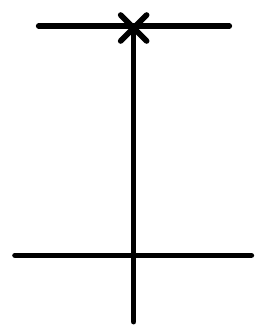
The pen name of the noted scholar Yi Hwang (16th century). He was the founder of Neo-Confucianism. The 37 movements refer to his birthplace on the 37th parallel, and the diagram means “scholar, educated person”.
Show moves (39)
| No. | Move |
|---|---|
| Moa Junbi Sogi B | |
| 1 | Niunja So An Palmok Kaunde Makgi |
| 2 | Gunnun So Dwijibo Sonkut Najunde Tulgi |
| 3 | Moa So Dung Joomuk Nopunde Yopdwi Taerigi |
| 4 | Niunja So An Palmok Kaunde Makgi |
| 5 | Gunnun So Dwijibo Sonkut Najunde Tulgi |
| 6 | Moa So Dung Joomuk Nopunde Yopdwi Taerigi |
| 7 | Gunnun So Kyocha Joomuk Najunde Noollo Makgi |
| 8 | Gunnun So Sang Joomuk Nopunde Sewo Jirugi |
| 9 | Kaunde Apcha Busigi |
| 10 | Gunnun So Ap Joomuk Kaunde Baro Jirugi |
| 11 | Gunnun So Ap Joomuk Kaunde Bandae Jirugi |
| 12 | Moa So Sang Palkup Yop Tulgi |
| 13 | Annun So Bakat Palmok San Makgi |
| 14 | Annun So Bakat Palmok San Makgi |
| 15 | Annun So Bakat Palmok San Makgi |
| 16 | Annun So Bakat Palmok San Makgi |
| 17 | Annun So Bakat Palmok San Makgi |
| 18 | Annun So Bakat Palmok San Makgi |
| 19 | Niunja So Doo Palmok Najunde Miro Makgi |
| 20 | Gunnun So Mori Japgi |
| 21 | Moorup Ollyo Chagi |
| 22 | Niunja So Sonkal Kaunde Daebi Makgi |
| 23 | Najunde Yop Apcha Busigi |
| 24 | Gunnun So Opun Sonkut Nopunde Tulgi |
| 25 | Niunja So Sonkal Kaunde Daebi Makgi |
| 26 | Najunde Yop Apcha Busigi |
| 27 | Gunnun So Opun Sonkut Nopunde Tulgi |
| 28 | Niunja So Dung Joomuk Nopunde Yopdwi Taerigi |
| 29 | Twimyo Kyocha So Kyocha Joomuk Najunde Noollo Makgi |
| 30 | Gunnun So Doo Palmok Nopunde Makgi |
| 31 | Niunja So Sonkal Najunde Daebi Makgi |
| 32 | Gunnun So An Palmok Kaunde Dollimyo Makgi |
| 33 | Niunja So Sonkal Najunde Daebi Makgi |
| 34 | Gunnun So An Palmok Kaunde Dollimyo Makgi |
| 35 | Gunnun So An Palmok Kaunde Dollimyo Makgi |
| 36 | Gunnun So An Palmok Kaunde Dollimyo Makgi |
| 37 | Annun So Ap Joomuk Kaunde Baro Jirugi |
| Moa Junbi Sogi B |
Hwa-Rang 29 moves
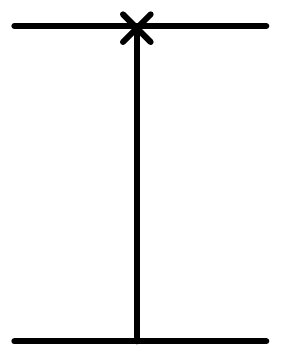
Named after the Hwa-Rang youth group, which was founded in the Silla Dynasty in the early 7th century. The 29 movements represent the 29th Infantry Division, in which Taekwon-Do developed to maturity in the early 1950s. The name Hwa-Rang means “the way of the flowering of manhood” or “the flower of manhood”.
Show moves (31)
| No. | Move |
|---|---|
| Moa Junbi Sogi C | |
| 1 | Annun So Sonbadak Kaunde Miro Makgi |
| 2 | Annun So Ap Joomuk Kaunde Bandae Jirugi |
| 3 | Annun So Ap Joomuk Kaunde Baro Jirugi |
| 4 | Niunja So Sang Palmok Makgi |
| 5 | Niunja So Ap Joomuk Ollyo Jirugi |
| 6 | Migulgi Gojung So Ap Joomuk Kaunde Baro Jirugi |
| 7 | Soojik So Sonkal Kaunde Naeryo Taerigi |
| 8 | Gunnun So Ap Joomuk Kaunde Baro Jirugi |
| 9 | Gunnun So Palmok Najunde Makgi |
| 10 | Gunnun So Ap Joomuk Kaunde Baro Jirugi |
| 11 | Kaunde Yopcha Jirugi |
| 12 | Niunja So Sonkal Kaunde Yop Taerigi |
| 13 | Gunnun So Ap Joomuk Kaunde Baro Jirugi |
| 14 | Gunnun So Ap Joomuk Kaunde Baro Jirugi |
| 15 | Niunja So Sonkal Kaunde Daebi Makgi |
| 16 | Gunnun So Sun Sonkut Kaunde Tulgi |
| 17 | Niunja So Sonkal Kaunde Daebi Makgi |
| 18 | Nopunde Dollyo Chagi |
| 19 | Nopunde Dollyo Chagi, Niunja So Sonkal Kaunde Daebi Makgi |
| 20 | Gunnun So Palmok Najunde Makgi |
| 21 | Niunja So Ap Joomuk Kaunde Baro Jirugi |
| 22 | Niunja So Ap Joomuk Kaunde Baro Jirugi |
| 23 | Niunja So Ap Joomuk Kaunde Baro Jirugi |
| 24 | Gunnun So Kyocha Joomuk Najunde Noollo Makgi |
| 25 | Migulgi Niunja So Yop Palkup Tulgi |
| 26 | Moa So An Palmok Nopunde Yopap Makgi |
| 27 | Moa So An Palmok Nopunde Yopap Makgi |
| 28 | Niunja So Sonkal Kaunde Daebi Makgi |
| 29 | Niunja So Sonkal Kaunde Daebi Makgi |
| Moa Junbi Sogi C |
Choong-Moo 30 moves
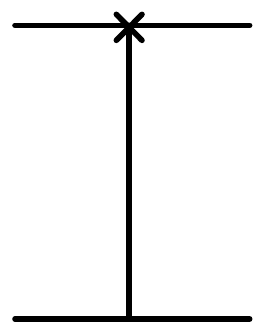
The name given to Admiral Yi Soon-Sin of the Lee Dynasty. He is said to have invented the first armoured warship, called the Kobukson, in 1592. The ship is claimed to be the forerunner of the modern submarine. The pattern ending with an attack by the left hand represents his unfortunate death, before which he had no opportunity to demonstrate his loyalty to the king.
Show moves (32)
| No. | Move |
|---|---|
| Narani Junbi Sogi | |
| 1 | Niunja So Sang Sonkal Makgi |
| 2 | Gunnun So Sonkal Nopunde Ap Taerigi |
| 3 | Niunja So Sonkal Kaunde Daebi Makgi |
| 4 | Gunnun So Opun Sonkut Nopunde Tulgi |
| 5 | Niunja So Sonkal Kaunde Daebi Makgi |
| 6 | Guburyo Junbi Sogi A |
| 7 | Kaunde Yopcha Jirugi |
| 8 | Niunja So Sonkal Kaunde Daebi Makgi |
| 9 | Twimyo Yopcha Jirugi, Niunja So Sonkal Kaunde Daebi Makgi |
| 10 | Niunja So Palmok Najunde Makgi |
| 11 | Gunnun So Mori Japgi |
| 12 | Moorup Ollyo Chagi |
| 13 | Gunnun So Sonkal Dung Nopunde Ap Taerigi |
| 14 | Nopunde Dollyo Chagi |
| 15 | Kaunde Dwitcha Jirugi |
| 16 | Niunja So Palmok Kaunde Daebi Makgi |
| 17 | Kaunde Dollyo Chagi |
| 18 | Gojung So Digutja Makgi |
| 19 | Twigi Niunja So Sonkal Kaunde Daebi Makgi |
| 20 | Gunnun So Dwijibun Sonkut Najunde Tulgi |
| 21 | Niunja So Dung Joomuk Nopunde Yopdwi Taerigi |
| 22 | Gunnun So Sun Sonkut Kaunde Tulgi |
| 23 | Gunnun So Doo Palmok Nopunde Makgi |
| 24 | Annun So Bakat Palmok Kaunde Ap Makgi, Dung Joomuk Nopunde Yop Taerigi |
| 25 | Kaunde Yopcha Jirugi |
| 26 | Kaunde Yopcha Jirugi |
| 27 | Niunja So Kyocha Sonkal Kaunde Momchau Yopap Makgi |
| 28 | Gunnun So Doo Sonbadak Ollyo Makgi |
| 29 | Gunnun So Palmok Chukyo Makgi |
| 30 | Gunnun So Ap Joomuk Kaunde Bandae Jirugi |
| Narani Junbi Sogi |
2.2 Four-direction exercises (saju)↑ Back to contents
The four-direction (saju) exercises are not patterns but a way of practising techniques in four directions.
Saju Jirugi
Saju Jirugi, the four-direction punch, is an exercise rather than a pattern. This is the first version (Saju Jirugi Hana). Middle punches are thrown from walking stances in four directions, with a low block in between. The exercise is performed first starting with the right foot (moves 1–7) and then with the left (moves 8–14). First step forward and punch, then turn: in the low block the right foot goes straight back after the turn. The straight arrow shows the direction of the step in the pattern diagrams: ↓ D (forward, starting direction), ↑ C (backward), ← A, → B. The circular arrow (90°) shows the turn: counter-clockwise or clockwise.
Show moves (14)
| No. | Move |
|---|---|
| Narani junbi sogi (parallel ready stance) ↓ | |
| 1 | Right walking stance, middle punch with the right fist ↓ |
| 2 | Left walking stance, low block with the left forearm ← |
| 3 | Right walking stance, middle punch with the right fist → |
| 4 | Left walking stance, low block with the left forearm ↓ |
| 5 | Right walking stance, middle punch with the right fist ↑ |
| 6 | Left walking stance, low block with the left forearm → |
| 7 | Right walking stance, middle punch with the right fist ← |
| Return: right foot back, narani junbi sogi ↓ | |
| 8 | Left walking stance, middle punch with the left fist ↓ |
| 9 | Right walking stance, low block with the right forearm → |
| 10 | Left walking stance, middle punch with the left fist ← |
| 11 | Right walking stance, low block with the right forearm ↓ |
| 12 | Left walking stance, middle punch with the left fist ↑ |
| 13 | Right walking stance, low block with the right forearm ← |
| 14 | Left walking stance, middle punch with the left fist → |
| Return: left foot back, narani junbi sogi ↓ | |
| Source: Encyclopedia, vol. 8. |
Saju Makgi
Saju Makgi, the four-direction block, is an exercise rather than a pattern. This is the first version (Saju Makgi Hana). A low knife-hand block alternates with a middle side block with the inner forearm, from walking stances in four directions. The exercise is performed with the right foot (moves 1–8) and with the left foot (moves 9–16). Each direction starts with the right foot going back for the low block (the circular arrow shows the turn when changing direction), followed by a step forward for the side block. The straight arrow shows the direction of the step in the pattern diagrams: ↓ D (forward, starting direction), ↑ C (backward), ← A, → B. The circular arrow (90°) shows the turn: counter-clockwise or clockwise.
Show moves (16)
| No. | Move |
|---|---|
| Narani junbi sogi (parallel ready stance) ↓ | |
| 1 | Left walking stance, low block with the left knife-hand ↑ |
| 2 | Right walking stance, middle side block with the right inner forearm ↓ |
| 3 | Left walking stance, low block with the left knife-hand ← |
| 4 | Right walking stance, middle side block with the right inner forearm → |
| 5 | Left walking stance, low block with the left knife-hand ↓ |
| 6 | Right walking stance, middle side block with the right inner forearm ↑ |
| 7 | Left walking stance, low block with the left knife-hand → |
| 8 | Right walking stance, middle side block with the right inner forearm ← |
| Return: right foot back, narani junbi sogi ↓ | |
| 9 | Right walking stance, low block with the right knife-hand ↑ |
| 10 | Left walking stance, middle side block with the left inner forearm ↓ |
| 11 | Right walking stance, low block with the right knife-hand → |
| 12 | Left walking stance, middle side block with the left inner forearm ← |
| 13 | Right walking stance, low block with the right knife-hand ↓ |
| 14 | Left walking stance, middle side block with the left inner forearm ↑ |
| 15 | Right walking stance, low block with the right knife-hand ← |
| 16 | Left walking stance, middle side block with the left inner forearm → |
| Return: left foot back, narani junbi sogi ↓ | |
| Source: Encyclopedia, vol. 8. |
Saju Chagi
Saju Chagi, the four-direction kick, is an exercise with only two techniques: gunnun junbi sogi (walking ready stance) and apcha olligi (rising front kick). This is the first version (Saju Chagi Hana). First the right foot is taken back (walking ready stance), then the kick and turn are performed; in each of the four directions one kick is performed, followed by a 90° turn counter-clockwise into the walking ready stance (right foot back). The same is repeated with the left foot back, turning clockwise. Source: an exercise taught in Finland since 2009 (not in Encyclopedia vol. 8).
Show moves (13)
| No. | Move |
|---|---|
| Narani junbi sogi | |
| 1 | Narani junbi sogi |
| 2 | Gunnun junbi sogi: right foot back, hands into najunde hechyo makgi position |
| 3 | Apcha olligi (rising front kick), turn into gunnun junbi sogi |
| 4 | Apcha olligi, turn into gunnun junbi sogi |
| 5 | Apcha olligi, turn into gunnun junbi sogi |
| 6 | Apcha olligi, turn into gunnun junbi sogi |
| 7 | Narani junbi sogi |
| 8 | Gunnun junbi sogi: left foot back, hands into najunde hechyo makgi position |
| 9 | Apcha olligi, turn into gunnun junbi sogi |
| 10 | Apcha olligi, turn into gunnun junbi sogi |
| 11 | Apcha olligi, turn into gunnun junbi sogi |
| 12 | Apcha olligi, turn into gunnun junbi sogi |
| 13 | Narani junbi sogi |
| At the end of each half: narani junbi sogi, facing forward. |
3. The belt grading system↑ Back to contents
In Taekwon-Do the belt (Korean ti) is wrapped around the waist only once, unlike in many other martial arts. One (Korean il) symbolises:
- Once you have defined a single goal, pursue it unceasingly – Ohdoilkwan
- Serve only one teacher with unshakeable loyalty – Ilpyondanshim
- Achieve victory with a single strike – Ilkyokpilsum
The Taekwon-Do belt system is divided into 19 grades: ten colour belt grades (gup) and nine black belt degrees (dan).
3.1 Colour belts↑ Back to contents
| Grade | Belt colour |
|---|---|
| 10th gup | white |
| 9th gup | white, yellow tag |
| 8th gup | yellow |
| 7th gup | yellow, green tag |
| 6th gup | green |
| 5th gup | green, blue tag |
| 4th gup | blue |
| 3rd gup | blue, red tag |
| 2nd gup | red |
| 1st gup | red, black tag |
The use of the range 10th gup – 1st gup is explained by the fact that the decimal number system is used all over the world. 10 is also the smallest of the two-digit numbers, so it is a logical number for a beginner.
3.2 Black belts↑ Back to contents
| Degree | Title |
|---|---|
| 1st–3rd dan | Assistant Instructor – Boosabeom |
| 4th–6th dan | Instructor – Sabeom |
| 7th–8th dan | Master – Sahying |
| 9th dan | Grandmaster – Saseong |
The use of the range 1st dan – 9th dan is explained, first of all, by the fact that 9 is both the largest single-digit number and divisible by three (3 × 3 = 9). The number three was already in ancient times the most esteemed number in the East. The Chinese numeral three is written with three horizontal lines one above another, of which the top one represents heaven, the middle one people – mortals – and the bottom one the earth. In addition, it is interesting to note that when nine is multiplied by any single-digit number, the digits of the product always add up to nine. For example:
9 × 2 = 18 → 1 + 8 = 9
9 × 4 = 36 → 3 + 6 = 9
9 × 7 = 63 → 6 + 3 = 9
9 × 9 = 81 → 8 + 1 = 9
3.3 The colours of the belts↑ Back to contents
Several of the belt colours in Taekwon-Do were already in use during the Koguryo and Silla dynasties to indicate social rank.
White represents innocence and purity, like a beginner who has no previous experience of Taekwon-Do. For them the paper is blank and open to teaching and new knowledge.
Yellow is the colour of the earth, which symbolises the ground from which the plant (Taekwon-Do skills) begins to grow. Taekwon-Do can indeed be symbolised by the growth of a plant. At yellow belt the foundation of the art is laid.
Green represents the growth of the Taekwon-Do plant: the greenness of the plant, its leaves and its vitality. The skills of a green belt holder are already beginning to grow; the seed has developed into a shoot.
Blue symbolises the sky towards which the Taekwon-Do plant grows. The sky keeps widening the trainee’s opportunities to learn and develop. A blue belt holder already notices the possibilities of choice and growing responsibility. They feel they already know quite a lot, but the sky is infinite and full of knowledge.
Red represents danger. The trainee has already progressed far, and must take responsibility and practise control. A red belt holder’s techniques can already cause great harm, so the colour of the belt warns both the opponent and the belt holder themselves of their power.
Black is the opposite of white. It represents maturity and proficiency in Taekwon-Do. A new stage of learning begins, because at this point the trainee realises how little they actually know after all. A black belt holder has learnt the alphabet, and now it is time to learn to read. Black, like the surrounding space, is infinite and full of things to learn.
4. The uniform↑ Back to contents
The Taekwon-Do uniform (do bok) consists of trousers (baji) and a jacket (jeogori). The uniform is white, symbolising purity and honesty. White was also the traditional colour of the clothing of the ancient Koreans. The Do Bok distinguishes Taekwon-Do from other martial arts. The uniform must be unadorned and modest. The pattern on the back represents an evergreen tree.
5. The tenets of Taekwon-Do↑ Back to contents
| 1. | Courtesy | Ye Ui |
| 2. | Integrity | Yom Chi |
| 3. | Perseverance and diligence | In Nae |
| 4. | Self-control | Guk Gi |
| 5. | Indomitable spirit | Baekjul Boolgool |
6. The Taekwon-Do oath↑ Back to contents
The oath is recited at the beginning of every training session.
- I shall observe the rules of Taekwon-Do.
- I shall respect the instructor and senior belts.
- I shall never misuse Taekwon-Do.
- I shall be a champion of freedom and justice.
- I shall help to build a more peaceful world.
7. Training hall etiquette and protocol↑ Back to contents
7.1 General rules for students↑ Back to contents
- Do not be late for training; arrive on time.
- Register for training in advance, at the latest the day before, so that instructor resources can be planned. Registration is currently done mainly through a WhatsApp poll, and possibly also through MyClub later.
- If you are late for the start of training or have to be absent at short notice, it is polite to let the club know in the club’s WhatsApp group.
- Keep your uniform clean and ironed when you come to training.
- Wash your hands and feet before training starts.
- Remove jewellery and your watch before entering the hall.
- Put your mobile phone on silent or switch it off.
- It is best not to leave valuables in the changing room; you can bring them to the edge of the hall.
- No food or glass drinks bottles may be brought into the hall. You may bring a plastic drinks bottle to training.
- You may bring a towel to training to wipe off sweat, so that you do not have to wipe sweat on your uniform.
- Do not wear make-up, lipstick or nail varnish in training. These generally smear your partner’s uniform in partner work, and may not come out easily in the wash.
- If you have sparring equipment, always bring it with you to training.
- Avoid unnecessary talking during training.
7.2 When you arrive at the hall↑ Back to contents
- Bow when you enter the hall. If there is a federation, national or other flag on the wall of the hall, bow towards it. Also bow to the picture of General Choi if it is on display.
- If the instructor is already in the hall before you, go and bow to him or her. You do not need to wait for a bow in return, even if he or she does not notice you straight away.
- If the instructor is not yet in the hall, the senior belt welcomes the instructor into the hall by giving the command charyot (attention), e.g. boosabeomnim/sabeomnim ke (assistant instructor/instructor), kyong ye (bow). If the senior belt does not notice the instructor’s arrival, anyone may give the command.
- Visiting instructors / teachers are welcomed into the hall with applause, so that the visitor feels welcome in your hall.
7.3 When you are in line↑ Back to contents
- The senior belt goes to the right-hand corner as the ”corner man”, from where the line is formed downwards by belt grade, to the left and then onto the next row, until the formation is in order.
- The corner man gives the command charyot (attention), e.g. boosabeomnim/sabeomnim ke (assistant instructor/instructor), kyong ye (bow).
- After this the Taekwon-Do oath is recited: the corner man says the number of the clause, the instructor recites the clause and after that everyone repeats it together aloud. The oath is recited at the beginning of every training session.
- In the bows made at the beginning and end of training, the practitioner says taekwon when bowing (stressing the last syllable, that is kwon).
- If you arrive late (which is very disrespectful towards the other practitioners and instructors), wait until the instructor notices you, and bow. Join the training only with the instructor’s permission and take your place at the end of the line, even if your own place is elsewhere. You do not need to explain the reason for being late; you can come and talk after training if there is a need.
7.4 During training↑ Back to contents
- When you sit on the floor, sit cross-legged in the so-called lotus position, because in Eastern culture pointing the soles of your feet towards the instructor is very impolite.
- When stretching and the like, do not turn your back or show your backside to the instructor; always turn 90 degrees to the right.
- When you want to ask a question or give an answer, first raise your hand, stand up if you are sitting, bow, ask the question or give the answer, but do not sit down until you are given permission.
- You must always get permission from the instructor to leave the hall during training. When you have been given permission to leave the hall, bow towards the instructor even if he or she does not notice you; do the same when you return, and go to your own place in the line.
- When you approach the instructor, if there is a need, stop about 3 steps before, bow, step forward and state your business. When this is done, take a step back, bow, turn around and return to your own place among the training group.
- If your belt comes undone during training, do not leave it on the floor, but hang it, for example folded, on the wall bars. You have worked for the grade you have achieved; it is not used for wiping floors.
- When you stand in line, keep your hands behind your back. Hands must not be kept on the hips.
- When you adjust your uniform at the end of training before the bow, turn 90 degrees to the left and back from the same side. The instructor also turns to his or her own left, that is, in a different direction as seen from the trainees.
7.5 Other important details of etiquette and protocol↑ Back to contents
- When a senior (black belt / instructor) enters the room or approaches you, stand up.
- When you hand something to or receive something from a senior, do it with both hands. If you hand over or receive with one hand, you show that you are of higher rank.
- If you want a signature or autograph from a senior, do not use a red pen or ink. It means that the person in question is dead, or that you wish him or her to be.
- Do not address a senior by first name, either in the hall or outside it. Always use the surname with the title Boosabeomnim, Sabeomnim, etc. in front of the name.
- Always open the door for a senior; the senior goes in through the door first.
- Offer your seat to a senior if he or she has nowhere to sit.
- Always shake hands with the right hand, with the left palm under the right forearm, palm facing down.
- When bowing, do not raise your head before the senior does.
- When answering a senior’s question, give only direct answers. Answers such as ”I don’t know…” or failing to answer is impolite.
8. Stances↑ Back to contents
The main principles of forming a correct stance are:
- Keep your back straight (apart from a few special cases).
- Relax your shoulders.
- Tense the abdominal muscles.
- Pay attention to the direction of the stance (whether it faces, for example, forward, diagonally forward or sideways).
- Maintain your balance.
- Pay attention to the bending of the knees.
Narani sogi (parallel stance)
- The stance is shoulder-width, measured from the outer edges of the feet.
- The feet are parallel, pointing straight ahead.
- The stance can face either forward (ohnmom) or sideways (yopmom).
Charyot sogi (attention stance)
- Heels together, with the feet forming an angle of 45 degrees.
- The arms are at the sides of the body, natural and relaxed, with the elbows slightly bent.
- The hands are loosely clenched into fists.
- The eyes look straight ahead, directed slightly above eye level.
Kyong ye jase (bowing stance)
- The upper body bends forward about 15 degrees.
- The hands are held as in charyot sogi.
- The eyes look straight ahead.
Gunnun sogi (walking stance)
- The length of the stance is one and a half shoulder widths, from the toes of the rear foot to the toes of the front foot.
- The width of the stance is one shoulder width, measured from the centres of the feet.
- The front leg is bent so that the knee and the heel are on the same vertical line.
- The front foot points straight ahead and the rear foot is turned outward by 25 degrees.
- Body weight is distributed evenly on both feet.
- The stance can face forward (ohnmom) or diagonally forward (bahnmom).
Niunja sogi (L-stance)
- The length of the stance is one and a half shoulder widths, from the outer edge of the rear foot to the toes of the front foot.
- The distance between the feet in width is about 2.5 centimetres.
- The rear leg is bent so that the knee and the toes are on the same vertical line.
- Both feet are turned inward by 15 degrees from a right angle.
- 70 per cent of the body weight is on the rear leg and 30 per cent on the front leg.
- The stance faces diagonally forward (bahnmom).
Annun sogi (sitting stance)
- The width of the stance is one and a half shoulder widths, measured from the inner edges of the feet.
- The feet point straight ahead, parallel to each other.
- Body weight is distributed evenly on both feet.
- The knees are pushed outward.
- The legs are bent so that the knee and the ball of the foot are on the same vertical line.
- The chest is pushed forward and the hips backward.
- The stance can face either forward (ohnmom) or sideways (yopmom).
Goojung sogi (fixed stance)
- The length of the stance is one and a half shoulder widths, from the inner edge of the rear foot to the toes of the front foot.
- The distance between the feet in width is about 2.5 centimetres.
- The front leg is bent so that the knee and the heel are on the same vertical line.
- Both feet are turned inward by 15 degrees from a right angle.
- Body weight is distributed evenly on both feet.
- The stance faces diagonally forward (bahnmom).
Guburyo sogi (bending stance)
- The foot and knee of the supporting leg are at 90 degrees to the direction of travel.
- The supporting leg is bent so that the knee and the toes are on the same vertical line.
- The other foot is below the knee of the supporting leg, with the knee at about 45 degrees to the direction of travel.
- Body weight is on the supporting leg.
- The stance can face forward (ohnmom) or diagonally forward (bahnmom).
Moa sogi (close stance)
- The feet are side by side.
- The feet point forward.
- Body weight is distributed evenly on both feet.
- The stance can face either forward (ohnmom) or sideways (yopmom).
Kyocha sogi (X-stance)
- The supporting foot is at 90 degrees to the direction of travel.
- The supporting leg is bent so that the knee and the toes are on the same vertical line.
- Body weight is on the supporting leg.
- The ball of the other foot is placed crossed behind or in front of the supporting leg.
- Both feet point in the same direction.
- The stance can face forward (ohnmom) or diagonally forward (bahnmom).
Soojik sogi (vertical stance)
- The length of the stance is one shoulder width, from the inner edge of the rear foot to the toes of the front foot.
- The heels are on the same line relative to the direction of travel.
- Both feet are turned inward by 15 degrees from a right angle.
- The legs are straight, but the knees are not locked.
- 60 per cent of the body weight is on the rear leg and 40 per cent on the front leg.
- The stance faces diagonally forward (bahnmom).
Dwitbal sogi (rear foot stance)
- The length of the stance is one shoulder width, from the outer edge of the rear foot to the toes of the front foot.
- The heels are on the same line relative to the direction of travel.
- The rear leg is bent so that the knee and the toes are on the same vertical line.
- The front foot rests on the ball of the foot. The heel is about 2.5 cm in the air.
- The front foot is turned inward by 25 degrees and the rear foot by 15 degrees from a right angle.
- Body weight is almost entirely on the rear leg.
- The stance faces diagonally forward (bahnmom).
Nachyo sogi (low stance)
- The length of the stance is one and a half shoulder widths, from the toes of the rear foot to the heel of the front foot.
- The width of the stance is one shoulder width, measured from the centres of the feet.
- The front leg is bent so that the knee and the heel are on the same vertical line.
- The front foot points straight ahead and the rear foot is turned outward by 25 degrees.
- Body weight is distributed evenly on both feet.
- The stance can face forward (ohnmom) or diagonally forward (bahnmom).
9. Glossary↑ Back to contents
9.1 Titles↑ Back to contents
| boosabeom | assistant instructor (1st–3rd dan) |
|---|---|
| sabeom | international instructor (4th–6th dan) |
| sahying | master (7th–8th dan) |
| saseong | grandmaster (9th dan) |
9.2 Commands↑ Back to contents
| charyot | attention (bowing stance) |
|---|---|
| kyong ye | bow |
| junbi | get ready |
| si jak | begin |
| baro | return to the ready position |
| swiyo | at ease |
| guman | stop |
| hae san | dismiss |
| koryon op chi | without counting |
| koryon macho | to the count |
| kesok | continue |
| tyro tora | turn about |
9.3 Training equipment↑ Back to contents
| do jang | training hall |
|---|---|
| do bok | uniform |
| baji | trousers |
| jeogori | jacket |
| ti | belt |
9.4 Numerals↑ Back to contents
| hana (하나) | one |
|---|---|
| dol (둘) | two |
| set (셋) | three |
| net (넷) | four |
| tasot (다섯) | five |
| yosot (여섯) | six |
| ilgob (일곱) | seven |
| yodul (여덟) | eight |
| ahop (아홉) | nine |
| yol (열) / sip (십) | ten |
| yol hana (열하나) | eleven |
| yol dol (열둘), jne. | twelve, etc. |
| sumul (스물) / isip (이십) | twenty |
| sorun (서른) / samsip (삼십) | thirty |
| mahun (마흔) / sasip (사십) | forty |
| swin (쉰) / osip (오십) | fifty |
| yesun (예순) / yuksip (육십) | sixty |
| ilhun (일흔) / chilsip (칠십) | seventy |
| yodun (여든) / palsip (팔십) | eighty |
| ahun (아흔) / gusip (구십) | ninety |
| baek (백) | one hundred |
| chon (천) | one thousand |
| baekman (백만) | one million |
The first word in each row is the native Korean numeral and the second is the Sino-Korean numeral (e.g. yol / sip = 10). Hundred, thousand and million are expressed with Sino-Korean numerals.
9.5 Other key vocabulary↑ Back to contents
| najunde | low height |
|---|---|
| kaunde | middle height |
| nopunde | high height |
| orun | right |
| wen | left |
| saju | in four directions |
| sambo matsogi | three-step sparring |
| ibo matsogi | two-step sparring |
| ilbo matsogi | one-step sparring |
| matsogi | sparring |
| chaju matsogi | free sparring |
| tul | pattern |
| hosinsul | self-defence |
| kyukpa | breaking |
| baro | straight, same-side (e.g. right foot, right hand) |
| bandae | opposite, cross-side (e.g. right foot, left hand) |
| ohnmom | facing straight ahead (full facing) |
| bahnmom | facing diagonally (half facing) |
| yopmom | facing sideways (side facing) |
| jirugi | punch |
| makgi | block |
| chagi | kick |
| taerigi | strike |
| tulgi | thrust |
| pihagi | dodge |
| twigi | jump |
| migulgi | sliding |
| an | inner |
| bakat | outer |
| annuro | inward |
| bakkuro | outward |
| ap | forward |
| yop | sideways |
| dwit | backward |
| yopap | diagonally forward |
| yopdwit | diagonally backward |
| naeryo | downward |
| ollyo | upward |
| golcho | gripping, fastening |
| dollimyo | circular |
| digutja | U-shaped |
| doo | two |
| sang | double |
| san | W-shaped |
| dollyo | turning, rotating |
| chookyo | rising |
| hechyo | releasing, wedging |
| noollo | pressing |
| miro | pushing |
| kyocha | crossed |
| giokja | angle |
| twimyo | jumping, flying |
| daebi | guarding |
| durogi | backward |
| nakagi | forward |
| ibo ommyo titimyo durogi | moving backward |
| ibo ommyo titimyo nakagi | moving forward |
9.6 Other vocabulary↑ Back to contents
| palmok | forearm |
|---|---|
| joomuk | fist |
| ap joomuk | forefist |
| dung joomuk | back fist |
| yop joomuk | side fist |
| sonkal | knife-hand |
| bal | foot |
| son | hand |
| sonbadak | palm |
| songarak | finger |
| sonkut | fingertips |
| sun sonkut | palm upright |
| dwijibun sonkut | palm up |
| opun sonkut | palm down |
| palkup | elbow |
| apkumchi | ball of the foot |
| balkal | foot edge |
| moorup | knee |
| mori | head |
| mok | neck |
| gasum | chest |
| bokboo | abdomen |
| chong | blue |
| hong | red |
| il | first |
| i | second |
| sam | third |
| simsa | grading / belt test |
| kyong gi | competitions |
| sung | winner |
9.7 Stances↑ Back to contents
| narani sogi | parallel stance |
|---|---|
| gunnun sogi | walking stance |
| niunja sogi | L-stance |
| annun sogi | sitting stance |
| guburyo sogi | bending stance |
| goojung sogi | fixed stance (improved L-stance) |
| moa sogi | close stance |
| kyocha sogi | X-stance |
| dwitbal sogi | rear foot stance |
| nachyo sogi | low stance |
| soojik sogi | vertical stance |
| waebal sogi | one-leg stance |
| sasun sogi | diagonal stance |
Usein kysyttyä↑ Back to contents
Kenelle värivöiden teoriaopas on tarkoitettu?
Opas on tarkoitettu Beomin, Sasajan ja Stadin TKD:n värivöiden harjoittelijoille, heidän vanhemmilleen ja ohjaajille. Se kattaa värivöiden teorian 10. gupista 1. gupiin. Mustien vöiden teoria on omassa oppaassaan osoitteessa itf.fi/tkddanteoria.
Mitä teoriaa värivyökokeessa vaaditaan?
Teoria on jaettu vyöarvoittain. Aikuisten vyökoevaatimusten mukaan 8. gupin kokeessa vaaditaan esimerkiksi Taekwon-Do-vala, pääperiaatteet ja laskeminen viiteen koreaksi, ja 7. gupin kokeessa Chon-Jin ja Dan-Gunin tarina sekä lukusanat 1–10. Tarkat vaatimukset ovat sivulla itf.fi/sbbp, ja ne linkittyvät tämän oppaan lukuihin. Vyökokeessa pitää osata myös alempien vyöarvojen asiat.
Miten teoriaopas on rakennettu?
Oppaassa on yhdeksän lukua: Historia, Liikesarjat (liikesarjalaput ja Saju-harjoitteet), Vyöarvojärjestelmä, Puku, Taekwon-Don pääperiaatteet, Taekwon-Do-vala, Salietiketti ja protokolla, Asennot sekä Sanasto. Lisäksi oppaassa on Lähteet-osio. Sisällysluettelosta pääsee suoraan luvun kohtaan, ja valitun otsikon vieressä on nappi takaisin sisällysluetteloon.
Mistä teoriaoppaan voi ladata tai tulostaa?
Sivun alussa olevasta napista voi ladata tulostettavan PDF-oppaan (16 sivua). Liikesarjalaput (Chon-Ji–Choong-Moo) ja Saju-laput voi ladata PDF:nä luvuista 2.1 ja 2.2. Englanninkielisellä sivulla ei ole PDF-tiedostoja.
Mitä lähteitä opas noudattaa?
Oppaan on laatinut Kalevi Mannermaa (2026) ITF Masalan vanhan teoriapaketin pohjalta, ja historiaosa on lähdetarkistettu. Liikesarjojen tarkempiin suoritusohjeisiin viitataan suurmestari McPhailin kokoelmaan (tkdcoaching.com). Lähteet on lueteltu oppaan lopussa.
Onko teoriaopas saatavilla englanniksi?
Kyllä. Englanninkielinen Theory Guide on osoitteessa itf.fi/tkd_theory. Suomenkielinen sivu on pääversio, ja jos versiot eroavat toisistaan, suomenkielinen teksti on voimassa.
Frequently asked questions↑ Back to contents
Who is the colour belt theory guide for?
The guide is for colour belt students of Beom, Sasaja and Stadin TKD, their parents and instructors. It covers the theory of the colour belts from 10th gup to 1st gup. Black belt theory is in its own guide at itf.fi/tkddantheory.
What theory is required in a colour belt grading?
The theory is divided by belt grade. According to the adult grading requirements, the 8th gup grading requires for example the Taekwon-Do oath, the tenets and counting to five in Korean, and the 7th gup grading requires the story of Chon-Ji and Dan-Gun and the numbers 1–10. The detailed requirements are at itf.fi/sbbp (in Finnish), and they link to the chapters of this guide. In a grading you must also know the requirements of the lower grades.
How is the theory guide organised?
The guide has nine chapters: History, Patterns (pattern sheets and the Saju exercises), The belt system, Uniform, The tenets of Taekwon-Do, The Taekwon-Do oath, Dojang etiquette and protocol, Stances and Glossary. It also has a Sources section. The contents list takes you straight to a chapter, and the heading you selected has a button that takes you back to the contents.
Where can the theory guide be downloaded or printed?
The printable PDF guide (16 pages, in Finnish) can be downloaded with the button at the top of the Finnish page itf.fi/tkd_teoria. The pattern sheets (Chon-Ji–Choong-Moo) and the Saju sheets are also available there as PDFs in chapters 2.1 and 2.2. This English page has no PDF files.
Which sources does the guide follow?
The guide was compiled by Kalevi Mannermaa (2026) from the old ITF Masala theory package, and the history section has been checked against sources. For more detailed execution instructions of the patterns, the guide refers to Grandmaster McPhail’s collection (tkdcoaching.com). The sources are listed at the end of the guide.
Is the theory guide available in Finnish?
Yes. The Finnish original is at itf.fi/tkd_teoria. The Finnish page is the master version, and if the versions differ, the Finnish text applies.
Sources
Sources for the history section
- Kang Won Sik & Lee Kyong Myong: A Modern History of Taekwondo (1999), English translation: https://web.stanford.edu/group/Taekwondo/documents/tkd_history.pdf
- Wikipedia: Taekwondo, https://en.wikipedia.org/wiki/Taekwondo
- Wikipedia: International Taekwon-Do Federation, https://en.wikipedia.org/wiki/International_Taekwon-Do_Federation
- Wikipedia: Choi Hong Hi, https://en.wikipedia.org/wiki/Choi_Hong_Hi
- Wikipedia: Hwarang, https://en.wikipedia.org/wiki/Hwarang
- Wikipedia: Subak, https://en.wikipedia.org/wiki/Subak
- Wikipedia: Taekkyeon, https://en.wikipedia.org/wiki/Taekkyeon
- Wikipedia (Finnish): Taekwondo, https://fi.wikipedia.org/wiki/Taekwondo
- The Invention of Taekwondo Tradition, 1945–1972: When Mythology becomes History, Acta Koreana 19(2), 2016, https://www.muse.jhu.edu/article/804577
- Taekwondo Pioneers: Woo-Nam Tul, https://taekwondopioneers.com/woo-nam-tul
- Kidokwan: Taekwon-Do: The Art of Hand, Foot and Political Statement, https://www.kidokwan.org/articles/taekwon-do-the-art-of-hand-foot-and-political-statement/
- Potku.net forum: Taekwondon historia (discussion), https://potku.net/forum/viewtopic.php?t=1124-taekwondon-historia
Sources for the patterns
- Grandmaster McPhail: ITF Patterns on Mobile, a collection of all 24 patterns with more detailed execution instructions. Source: https://tkdcoaching.com/
- Choi Hong Hi: Taekwon-Do books (1959, 1965, 1972) and the Encyclopedia of Taekwon-Do (primary sources for the history of the patterns); the ITF publication list https://itftkd.sport/history/publications/
I made this update to the theory guide while preparing for the instructor exam 2026. I would truly appreciate it if you notice any errors or inconsistencies in the guide that need correcting and let me know, so that I can fix them in the next version.
Theory Guide v2.2, 26 October 2026.